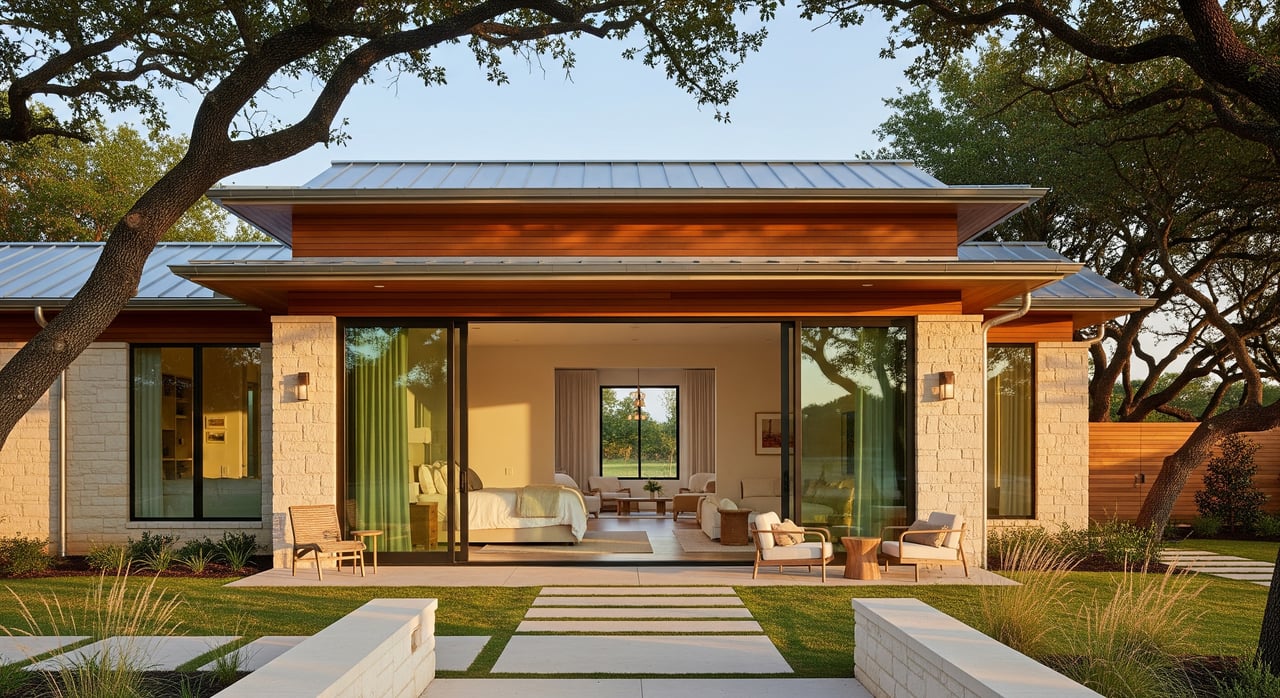
Thinking about adding a true primary suite to your Richardson ranch but not sure where to start? You want privacy, more storage, and a beautiful bath without overbuilding or running into permit headaches. In this guide, you’ll learn smart layout options, how to check setbacks and approvals, key build tradeoffs, timelines, and resale tips tuned to Richardson. Let’s dive in.
Why add a primary suite in Richardson
A well-planned suite can transform how you live by creating privacy, a larger bath, and better closet space. In many Richardson neighborhoods, buyers value single-story living with an updated primary-on-main. Done thoughtfully, the right plan can elevate daily comfort and market appeal without overpowering your lot or the block.
Start with zoning and permits in Richardson
Before sketches or bids, confirm what you can build on your lot. Local rules, recorded plats, and easements set the boundaries for any addition. Getting clarity up front helps you avoid redesigns, delays, or variance requests later.
What to check on your lot
- Zoning district, setbacks, and lot coverage limits through the City of Richardson’s Planning and Zoning resources.
- Easements along rear and side yards where building is typically prohibited.
- Current survey, recorded plat, and deed restrictions that show building lines and utility corridors.
- Any HOA covenants or Architectural Review Committee steps if your neighborhood requires design approval.
- Floodplain or drainage overlays that can change approvals and elevation needs.
How to verify before design
- Obtain a current, stamped survey and review the recorded plat.
- Use the City of Richardson GIS or zoning map to confirm your parcel’s zoning and overlays.
- Pull deed restrictions and any HOA rules.
- Schedule a pre-application conversation with Richardson Development Services to review submittals, plan checks, and whether a variance is likely.
Smart floor plan options for ranch homes
Ranch homes are typically single-story with slab foundations and shallow footprints. The best plan for your lot balances privacy, budget, drainage, and setbacks while keeping the home’s scale in line with your street.
Reconfigure interior space
Convert an underused living or dining room, or combine an extra bedroom with adjacent space to form a suite. This is often the fastest and lowest-cost path because there is limited foundation or roof work. The tradeoff is you may lose a living area and still not get the closet or bath size you want.
Rear addition to the backyard
A rear addition is the most common solution. It can deliver privacy, direct patio access, and easy daylight while staying in scale with the street. Expect careful roofline integration, attention to drainage, and a check on rear setbacks and trees.
Side addition wing
A side wing can preserve your backyard and create a private corridor to a larger bath and closet. Side-yard setbacks in Richardson can be tight, so confirm clearances early and be aware that variances add time and cost. Consider how the new massing will read from the street.
Garage conversion plus small addition
Converting an attached garage and adding a small bump can efficiently reuse footprint and utilities. This can help with lot coverage, but losing parking can hurt resale if you do not replace the garage. New driveway work can also affect impervious coverage.
Detached suite or ADU
A separate structure in the backyard offers maximum privacy and less disruption during construction. Whether this is allowed depends on local rules and neighborhood covenants. Detached suites often require separate utilities and can run higher cost per square foot.
Bump out for bath or closet
A small bump can unlock a proper walk-in closet or larger bath at a lower cost. The result is an incremental gain, not a full suite, but it often fits within lot coverage and setback limits.
Size and layout priorities
- Bedroom privacy: Rear-facing rooms reduce street noise and improve quiet.
- Bath efficiency: Separate wet areas so two people can use the space at once.
- Closet expectations: Align size and finish with nearby comps, not just wish lists.
- Daylight and access: Consider windows and a door to the backyard for flow.
- Circulation: Keep hallways short and connect near laundry if possible.
- Accessibility: Wider doors, curbless showers, and zero-step transitions help aging in place.
A modest primary bedroom commonly runs about 12'×12' to 14'×14', and a full suite with bath and closet often ranges from about 350 to 700+ square feet. Use local comps to ensure your plan stays aligned with neighborhood norms.
Design and construction tradeoffs
Richardson ranches are often slab-on-grade and tying new work into older structure, utilities, and finishes takes care. Design choices here affect cost, timeline, and comfort.
Foundation and structure
Many homes sit on slab foundations. New additions usually need a new slab tied to the existing, and larger openings for circulation often require engineered beams. If you alter load-bearing walls or create wide openings, expect structural review.
Plumbing, HVAC, and electrical
Keeping the new bath near existing wet walls reduces cost. If your current HVAC is at capacity, a supplemental split or mini-split can be efficient for the addition. Electrical load may require a panel upgrade, and safety standards for outlets and circuits will apply.
Roof, drainage, and materials
Match roof pitch and eave lines so the addition looks original to the house. Plan for gutters, downspouts, and grading to direct water away from slabs. Older brick or siding can be hard to match, so use a thoughtful transition to avoid a patchwork look.
Site, trees, and utilities
Mature shade trees are common and worth protecting. Verify underground utilities and easements before excavation and avoid placing new footprint over utility corridors. Keep an eye on driveway or patio changes that might push impervious coverage.
Energy code and comfort
Additions must meet the City of Richardson’s adopted building and energy codes. Plan for insulation, window performance, and HVAC efficiency so the new suite feels comfortable year-round.
Noise and privacy
If your suite shares a wall with social spaces, add sound insulation or staggered-stud assemblies for quiet. Door placement and corridor length also shape privacy.
Timeline, budget, and contractor tips
Every project differs, but most follow a familiar arc. Permitting timelines can vary, and variances extend schedules.
Typical timeline
- Pre-design and site verification: 2 to 4 weeks for surveys, zoning checks, and a pre-app with the city.
- Schematic to permit drawings: 2 to 8+ weeks depending on complexity and reviews.
- Permit review and approval: often 2 to 8+ weeks, longer if a variance is needed.
- Construction: 6 to 16+ weeks, from small bump-outs to full additions.
Biggest cost drivers
- Added square footage is the primary driver.
- Structural changes and slab tie-ins raise costs.
- Long plumbing runs or a new HVAC system add expense.
- Exterior brick or siding matching can be a premium.
- Finish level, tile and stone, and custom millwork move budgets most.
- Site work, tree protection, and drainage planning add cost but protect your home.
National remodeling surveys suggest primary suite additions can attract buyers and recoup a meaningful portion of cost, but returns vary by neighborhood and finish level. Verify local appetite and resale alignment with current Richardson comps.
Hiring the right team
- Verify licensing for trades and confirm insurance.
- Seek contractors with completed ranch additions in Richardson and get references.
- Consider an architect or experienced residential designer for permit drawings and to coordinate structure, MEP, and tie-ins.
Plan for resale in Richardson
The goal is to improve daily living and marketability without overbuilding the block. Keep scope and finishes in line with neighborhood upper ranges and match the home’s character.
Avoid over building
Study recent sold comps on your street and nearby blocks. Align size and quality with what sells best rather than chasing maximum square footage. Be mindful of curb appeal, massing, and parking.
Features buyers notice
- A private, quiet bedroom with a spacious en-suite bath and walk-in closet.
- Smooth indoor-outdoor flow to a patio or yard.
- Updated systems and energy efficiency consistent with local code.
- Adequate parking and a usable backyard that fits neighborhood norms.
Step-by-step checklist
- Order a current, stamped survey and review the recorded plat.
- Confirm zoning, setbacks, overlays, and lot coverage using the city’s GIS and Planning resources.
- Pull deed restrictions and HOA covenants if applicable.
- Meet with Development Services for a pre-app to confirm submittals and discuss variances.
- Choose an architect or residential designer with Richardson ranch experience.
- Place the bath near existing plumbing and confirm HVAC capacity.
- Design for privacy, daylight, and easy outdoor access with aging-in-place features.
- Prepare permit drawings with structural, MEP, and energy documentation.
- If variances are needed, budget extra time for Board of Adjustment filings and neighbor notices.
- Get multiple detailed bids that break out foundations, structure, MEP, finishes, and sitework.
- Protect landscaping and mature trees during construction.
- Have a Richardson agent review the final plan against current comps before you build.
- Close permits after final inspections and update records to reflect new square footage.
Ready to explore your options?
If you want your new suite to live beautifully today and sell confidently tomorrow, align scope and finishes with Richardson comps from the start. A local, data-driven perspective helps you avoid overbuilding while prioritizing the features buyers value most. When you are ready to discuss how a primary suite could shape your home’s value and sale strategy, reach out to JP Findley Group for market-aligned guidance and a clear next step. Request Your Free Home Valuation.
FAQs
Do I need a permit to add a primary suite in Richardson?
- Yes, additions and most structural, electrical, plumbing, and HVAC work require permits and plan review through the City of Richardson’s Development Services.
What setbacks could affect a rear addition in Richardson?
- Setbacks depend on your specific zoning district and recorded plat, so verify front, side, and rear yard requirements on your survey and with the city before design.
How big should a primary suite be in a Richardson ranch?
- Many homeowners target about 350 to 700+ square feet for a full suite with bath and closet, but size should align with nearby comps and neighborhood norms.
Will a garage conversion hurt resale in Richardson?
- It can if you do not replace parking, since loss of a garage may reduce buyer appeal; weigh footprint efficiency against neighborhood expectations.
How long does a primary suite addition take in Richardson?
- Plan for several stages: a few weeks for pre-design, several weeks for drawings, weeks for permit review, and 6 to 16+ weeks for construction depending on scope.