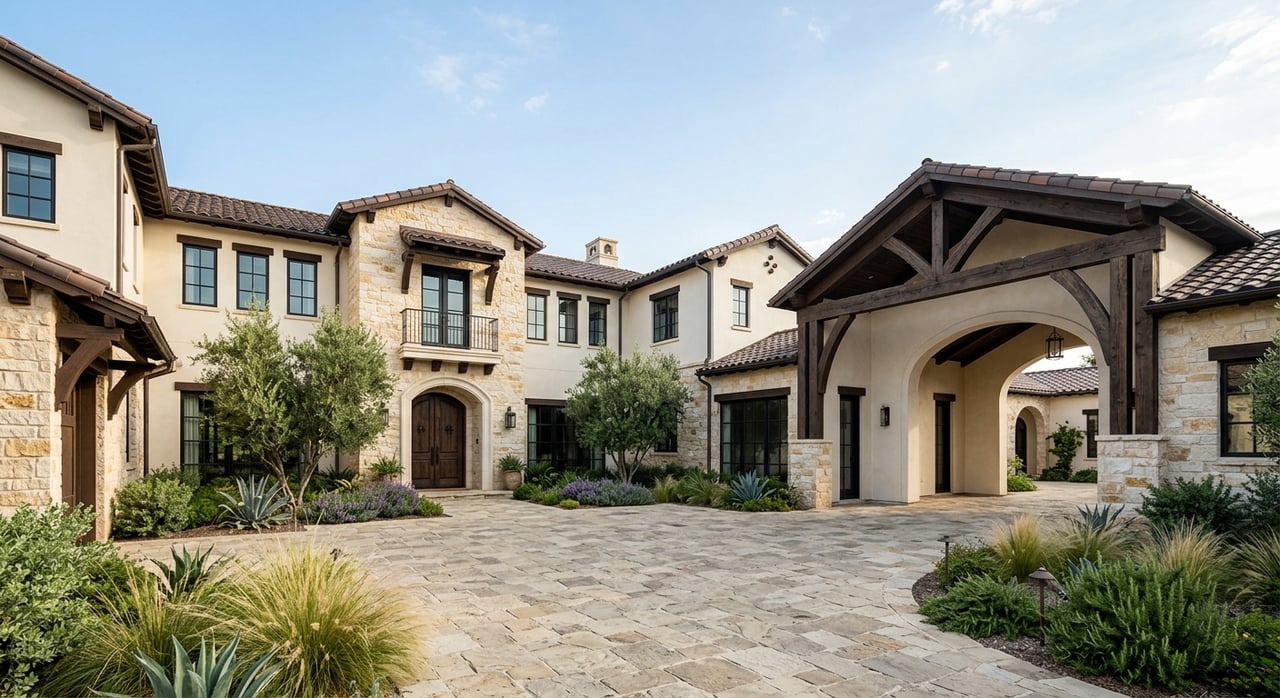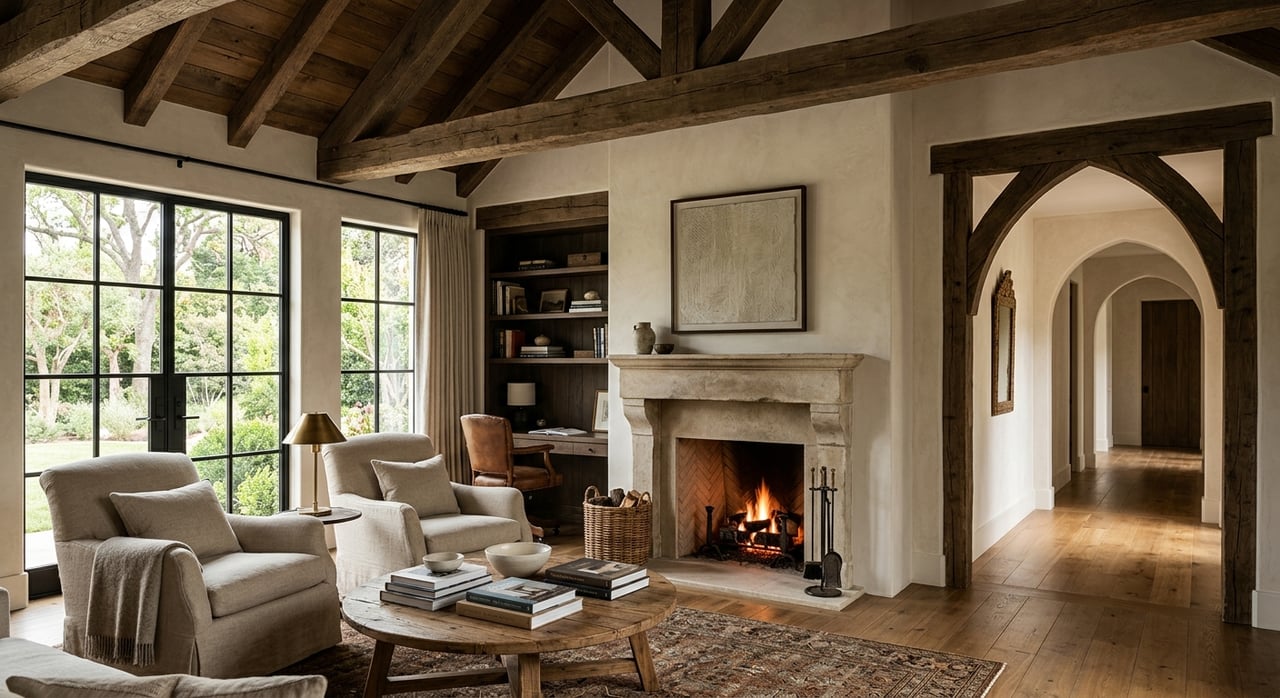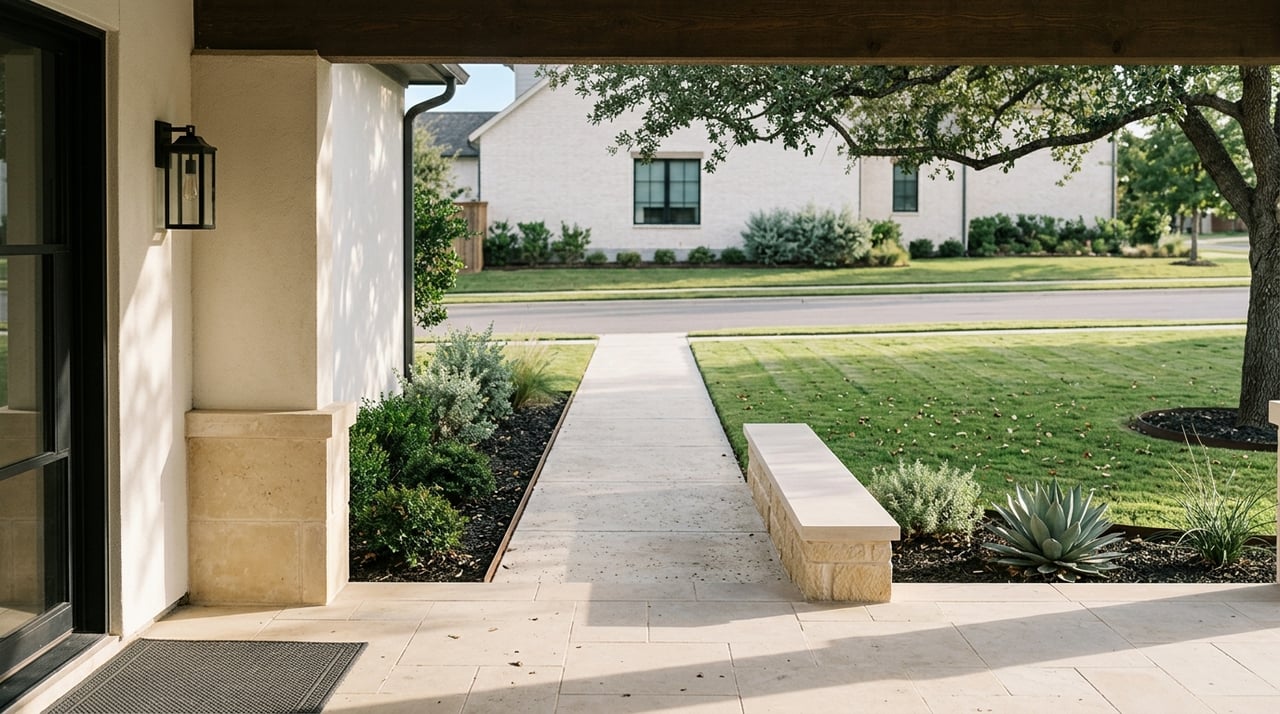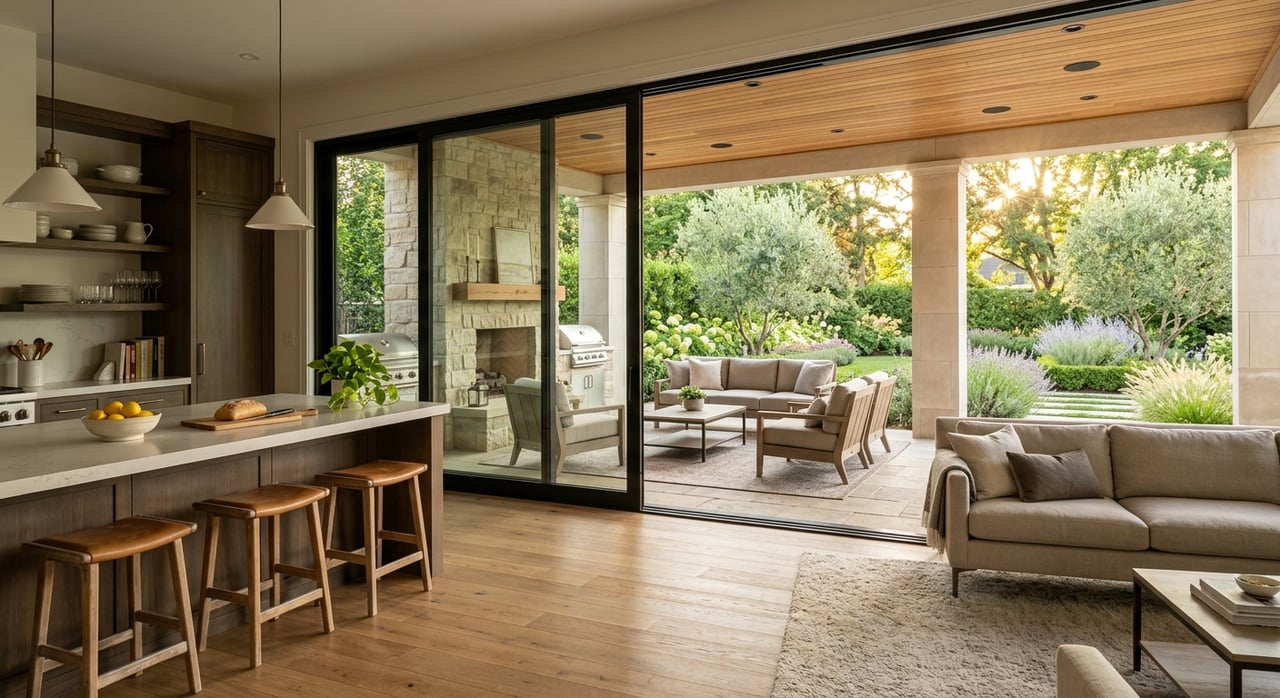
If you are thinking about buying a brand-new home in Prosper, it helps to know that not all new construction is created equal. A polished model home can make the process feel simple, but your builder, lot, contract terms, and future neighborhood plans can shape your experience just as much as the floor plan. In this guide, you’ll learn what to look at before you sign so you can make a confident decision in one of North Texas’s fastest-growing markets. Let’s dive in.
Why Prosper new construction stands out
Prosper is not a small, slow-growth market. As of January 1, 2025, the town population is 46,087, the average valued home price is $823,356, and the median household income is $214,000. The town also publishes monthly development reports that track permits, certificates of occupancy, zoning requests, and development activity, which gives you a useful window into how active the new-construction pipeline is.
What makes Prosper feel different from many other suburbs is the scale of its communities. Much of the new-home supply is concentrated in large master-planned neighborhoods instead of scattered infill pockets. That means when you buy in Prosper, you are often buying into a long-term community plan, not just a single house.
For example, Star Trail says it will include more than 1,800 homes across just over 900 acres. Windsong Ranch spans more than 2,000 acres and includes four amenity centers, four schools, and two fire stations. Those details matter because your buying decision affects not only the home itself, but also the surrounding lifestyle, future build-out, and overall neighborhood experience.
How Prosper’s approval process affects your purchase
In Prosper, the finished community is shaped by more than the builder’s vision. The town’s planning and development process includes zoning, platting, planned development requests, and pre-application meetings. The town also uses plan review and inspections to verify code compliance before and during construction.
For you, that means due diligence should go beyond cabinetry, paint colors, and incentives. You should also understand the future land use around the lot, the subdivision rules, and whether nearby land may change as future phases or adjacent development move forward. A great lot today can feel different later if you do not understand what is planned around it.
Compare builders beyond the model home
A beautiful model home can be helpful, but it is not the full story. Builder comparisons should focus on what is actually included in the base price, how the warranty works, and whether the builder is offering incentives tied to a preferred lender.
One example from the local market is Tradition Homes at Windsong Ranch. The builder states that every home goes through third-party energy-performance testing, and its warranty structure includes 1-year workmanship and materials coverage, 2-year systems coverage, and 10-year structural coverage through StrucSure. Even if you are considering a different builder, this is a good reminder to compare warranty details carefully rather than assume all builders offer the same protection.
When you evaluate builders, ask direct questions like these:
- What features are included in the base price?
- Which design selections are upgrades?
- What lender incentives are available, and are there trade-offs?
- What warranty coverage applies in year 1, year 2, and year 10?
- How does the builder handle punch-list items after closing?
Choose the right lot, not just the right floor plan
In Prosper, lot selection can have a major impact on both price and day-to-day enjoyment. It can influence which plans are available, how much yard space you have, what elevation options fit the site, and how the home sits within the streetscape.
Prosper communities often offer a range of lot sizes. Star Trail offers 55-, 65-, and 86-foot homesites, while Windsong Ranch lists single-family lots from 50' x 130' up to 86' x 140'. Those differences can affect outdoor space, privacy, home size potential, and your overall price tier.
You should also think about where the lot sits within the community. A lot near an entrance, future phase, amenity center, or edge of the subdivision may feel very different from one deeper inside the neighborhood. Before you commit, review what the town shows for zoning and future land use around the property.
Separate upgrades into three categories
One of the easiest ways to overspend on new construction is to treat every upgrade like it has the same value. In reality, upgrades usually fall into three different buckets, and each one deserves a different level of attention.
Structural upgrades
Structural items are usually the hardest or most expensive to change later. These can include room extensions, additional garage space, media rooms, larger patios, or major layout changes. If you want these features, it is often smarter to decide early rather than try to retrofit them after closing.
Systems upgrades
Systems upgrades include items tied to efficiency, comfort, and home performance. Depending on the builder and plan, this may include insulation, HVAC-related features, windows, or other performance-focused components. These choices may affect long-term operating costs and comfort more than a cosmetic finish would.
Cosmetic upgrades
Cosmetic choices often include flooring, lighting, tile, countertops, cabinets, and vanities. Depending on the build stage, you may have more or less control over these selections. In an early-stage spec home, buyers may still be able to choose some finishes, while a later-stage spec home may come with most selections already locked in.
Review costs beyond the base price
The base price is only one part of the financial picture. In Prosper, community costs can vary widely depending on the neighborhood, amenities, and private community structure.
For example, Star Trail lists HOA dues of $380 per quarter, says residents have city water, and states there are no MUD or PID fees. Windsong Ranch says residents pay no MUD taxes and lists HOA dues of $193 per month for single-family homes in its FAQ, while also highlighting extensive amenities and lifestyle programming. Windsong Ranch also notes that rates and information are subject to change without notice.
Texas does not have a state property tax, so property taxes are set and collected by local taxing units such as cities, counties, school districts, and special districts. Before you sign, make sure you understand the full monthly cost, including HOA dues and any community-specific fees that may apply.
Understand contracts, deposits, and lender options
New-construction contracts deserve close review. Builders may request upfront builder deposits or earnest money, and contract terms can differ from a typical resale purchase.
You should pay close attention to how much earnest money is due, when additional deposits may be required, and under what conditions those funds are refundable. It is also important to understand your contingency options and what protections are included in the contract.
Another key point is financing. Buyers do not have to use the builder’s affiliated mortgage lender. A builder-preferred lender may offer incentives, but you should still compare the full terms and costs before deciding.
Set realistic expectations for the timeline
Many buyers underestimate how long new construction can take. If you are building a custom home or making significant modifications, the design phase alone often lasts three to six months, and construction typically lasts at least 12 to 16 months for a custom home. Spec homes can move faster, depending on how far along the property already is.
Prosper’s local process adds practical timing considerations too. The town says residential permit reviews take 10 business days per round, and most permits expire 180 days after issuance or the last approved inspection. Delays can affect not only your move-in date, but also financing, lease timing, and the emotional stress of the process.
A realistic timeline can help you avoid frustration. If you are relocating or selling another home, that planning becomes even more important.
Verify permits and contractor responsibility
This is one step buyers often overlook. In Prosper, hired contractors are required to obtain the permit and be registered with the town.
That matters because you should know who is responsible for the permit process and whether the contractor is properly registered. Prosper also provides a way to search registered contractors through the town’s CSS portal, which can be a helpful verification step during your due diligence.
Know how new construction differs from resale
One of the biggest advantages of new construction is often efficiency and a lighter early maintenance profile. It is generally more cost-effective to add insulation during construction than to retrofit it later, and some new homes are built with features such as improved insulation, low-E glass, efficient HVAC systems, and water-saving fixtures.
That said, new does not automatically mean simple. A resale home may offer a more established streetscape and a clearer picture of the final neighborhood feel, while a new home may give you modern systems, newer materials, and more design control. In Prosper, the right choice depends on how much you value customization, timeline flexibility, and the possibility of living near future phases of development.
Check HOA rules and deed restrictions early
Town approval does not replace private neighborhood rules. Prosper says deed restrictions and HOA covenants should be checked before applying for a permit, and the town does not enforce those private rules.
For buyers, that means HOA documents matter. They may affect what you can do with your lot, exterior changes, fences, landscaping, or other property-related decisions later on. If you are buying on the edge of a subdivision or near a future phase, it is also smart to review zoning and future land-use documents so you have a clearer picture of what may happen nearby.
A smart Prosper new-build checklist
Before you sign on a new construction home in Prosper, keep this checklist handy:
- Confirm what is included in the base price
- Separate must-have upgrades from nice-to-have finishes
- Compare builder warranties in detail
- Review HOA dues and any special community fees
- Ask whether MUD or PID-related costs apply
- Understand earnest money and refund terms
- Compare lender options, even if the builder offers incentives
- Review lot location within the current and future neighborhood plan
- Check zoning and future land use around the property
- Verify who is responsible for permits and contractor registration
- Build extra time into your moving timeline
Buying new construction in Prosper can be a great opportunity, but the best outcomes usually come from careful planning rather than quick decisions. When you understand the builder, the lot, the contract, and the long-term community picture, you put yourself in a much stronger position to buy with confidence.
If you want a thoughtful, data-driven approach to buying in Prosper and the surrounding North Texas market, the team at JP Findley Group is here to help you navigate the details with clarity and confidence.
FAQs
What should you compare between Prosper builders before buying new construction?
- You should compare base-price inclusions, upgrade costs, warranty coverage, energy-performance features, and any incentives tied to a preferred lender.
What lot details matter most when buying a new home in Prosper?
- Lot size, location within the neighborhood, proximity to entrances or future phases, available floor plans, and nearby future land use all matter.
What community fees should you ask about in Prosper new construction?
- Ask about HOA dues, whether MUD or PID fees apply, and what amenities or services those costs fund.
What should you know about Prosper permits for a new home?
- Prosper requires hired contractors to obtain permits and be registered with the town, so it is worth confirming who is handling that responsibility.
What is the difference between a spec home and a custom home in Prosper?
- A spec home may move faster and offer fewer design choices, while a custom or heavily modified home usually involves a longer design and construction timeline with more control over selections.