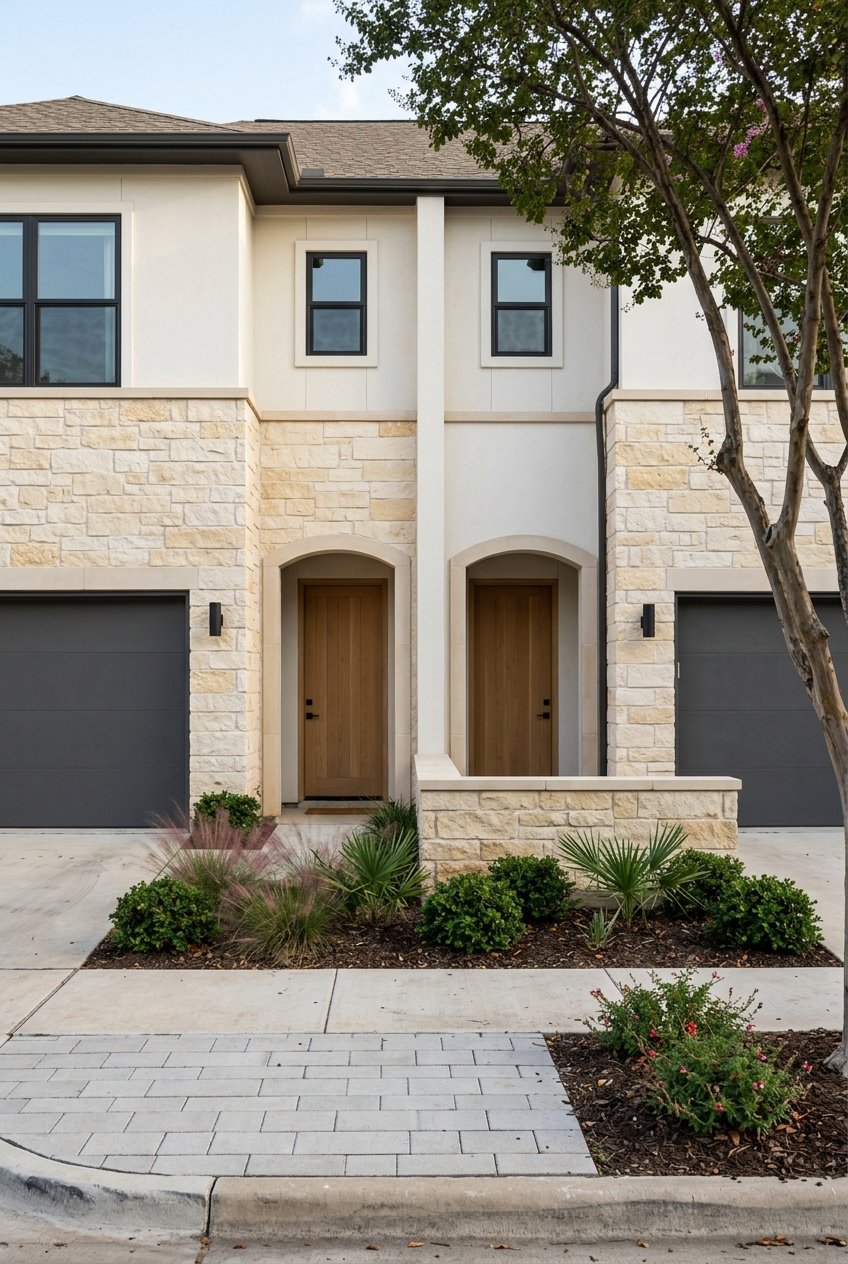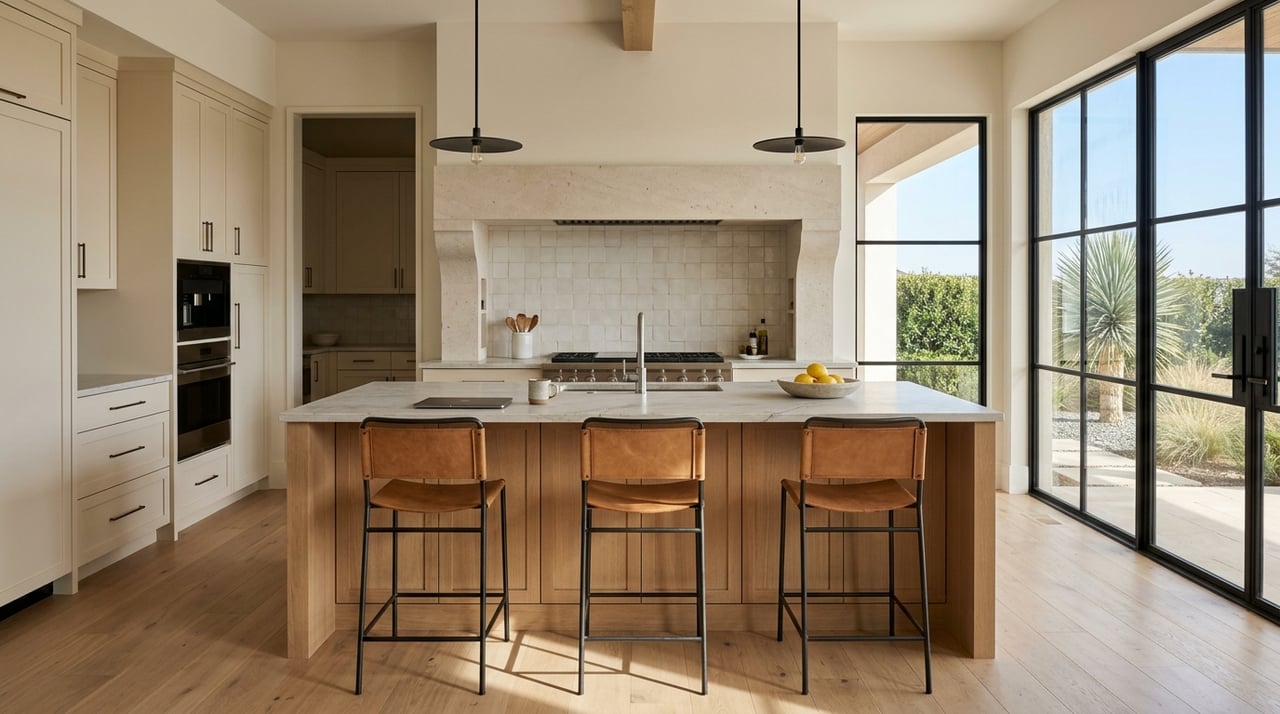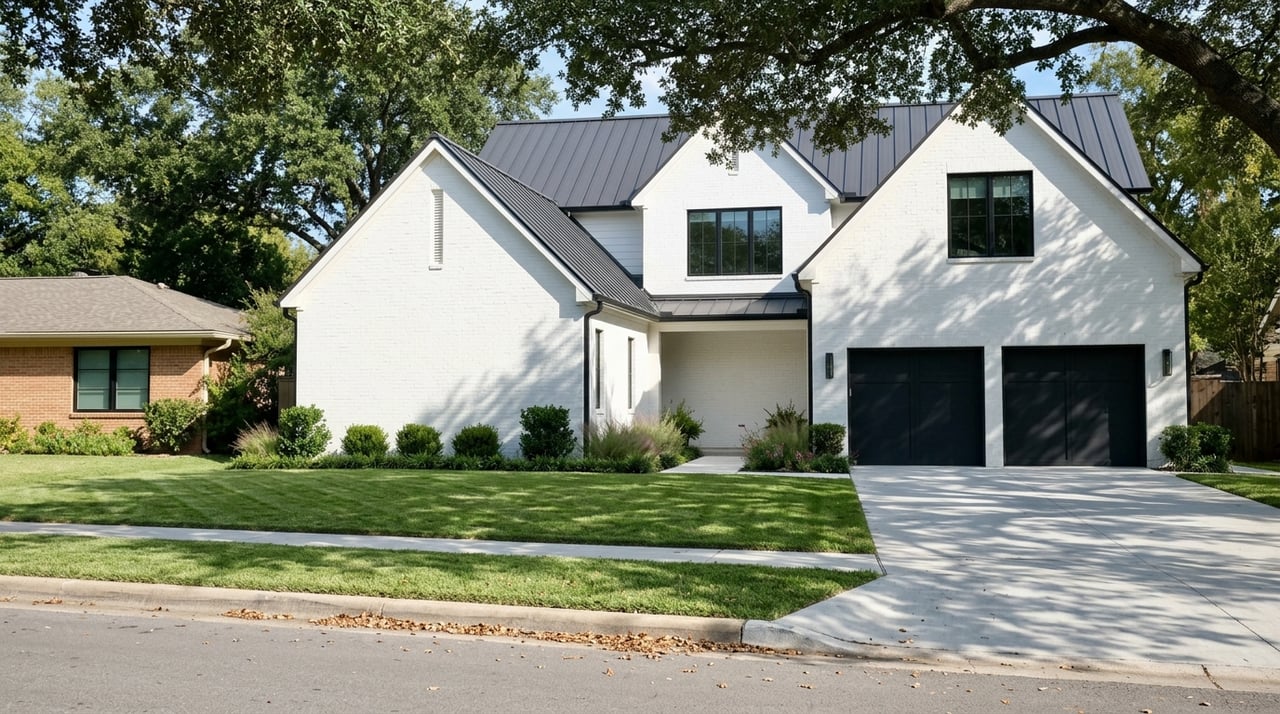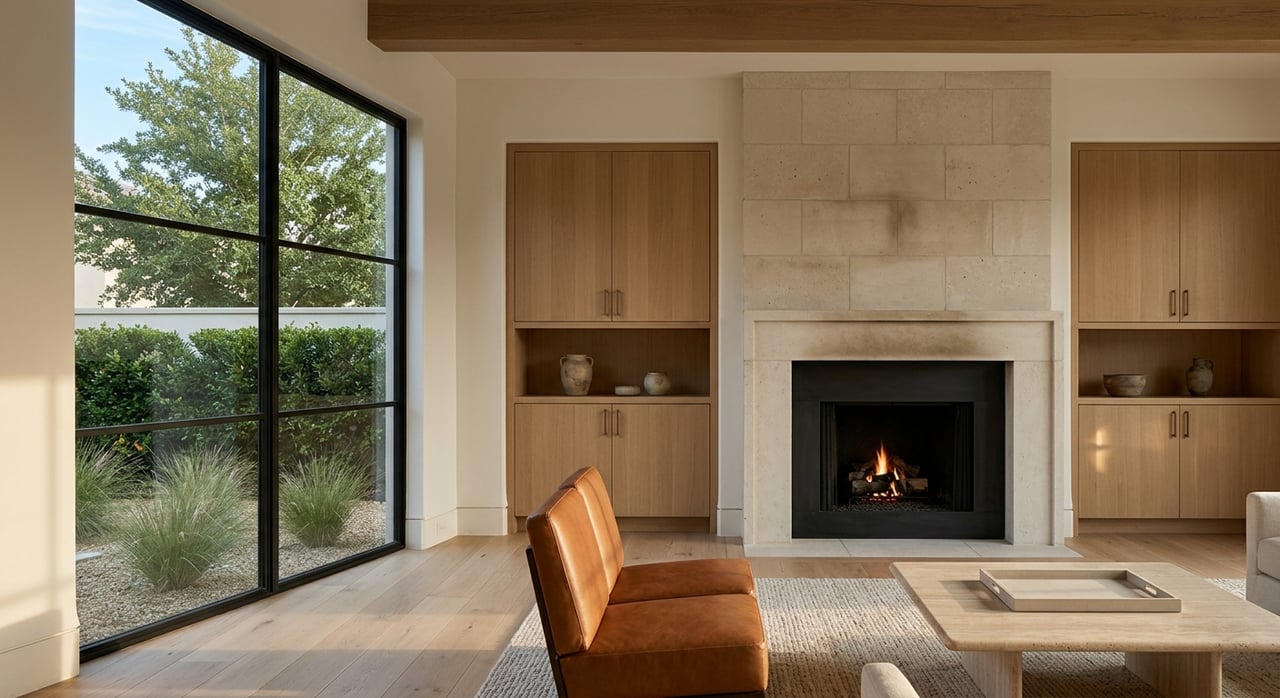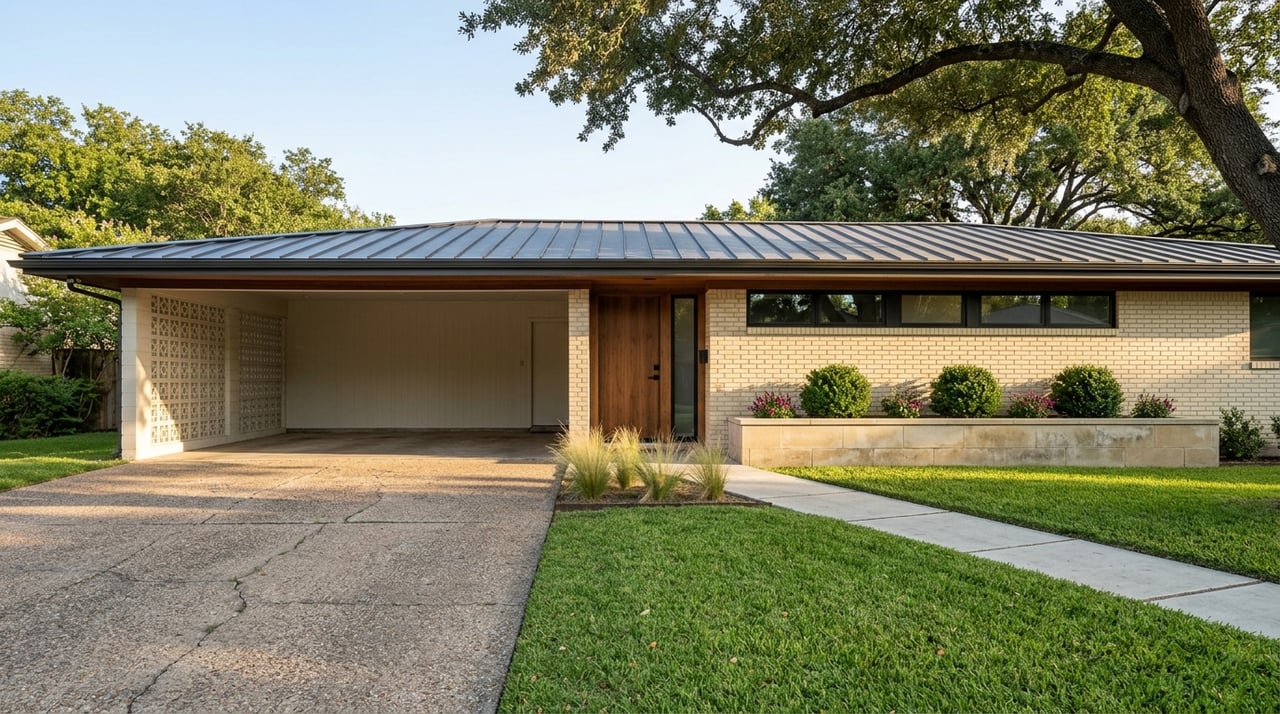
Wondering how to price a mid-century home in Richardson without leaving money on the table or scaring buyers away? You are not alone. If your home was built in the 1950s or 1960s, pricing can feel tricky because buyers do not look at age alone. They look at condition, lot, neighborhood, and how your home compares to the best recent sales nearby. This guide will show you what matters most in today’s Richardson market and how to price your home with more confidence. Let’s dive in.
Why pricing matters in Richardson
Richardson is a price-sensitive, somewhat competitive market. According to Redfin’s Richardson housing market data, the median sale price was $439,900 in February 2026, homes took 54 days to sell, and the average sale-to-list ratio was 96.3%.
That matters because it points to a market that rewards realistic pricing. The same Redfin data also shows a meaningful share of listings with price drops, while Zillow reports that many homes sell under list and move to pending in about 37 days. In other words, buyers are paying attention, comparing options, and pushing back when a home feels overpriced.
Richardson’s mid-century homes are not one pricing bucket
One of the biggest pricing mistakes is treating all mid-century homes in Richardson the same. They are not. A 1950s ranch in Richardson Heights does not compete the same way as a larger updated home in Canyon Creek.
Neighborhood pricing shows that clearly. Zillow’s neighborhood values place Richardson Heights around $382,659, Heights Park around $442,628, Northrich around $348,092, and Canyon Creek around $627,337. That spread tells you something important: age alone is not the main pricing driver.
Start with your submarket
Before you think about finishes or upgrades, start with where your home sits within Richardson. Older core areas like Richardson Heights, Heights Park, the Reservation, Arapaho Heights, Richland Park, and Canyon Creek have distinct pricing patterns tied to lot size, setting, renovation level, and buyer expectations.
The City of Richardson’s community revitalization award pages highlight these neighborhoods again and again, often referencing late-1950s and 1960s ranch homes, façade refreshes, additions, landscaping upgrades, and rebuilds. That local pattern supports a simple pricing truth: your home should be compared to nearby homes with a similar level of updating and curb appeal, not just to the citywide median.
Price original homes differently
If your home is original or only lightly updated, pricing should reflect that honestly. Buyers may still value original hardwoods, classic ranch proportions, original tile, pier-and-beam construction, and mature landscaping, but they will also weigh the cost of future updates.
Recent Richardson Heights examples help frame this range. 628 Westwood, a 1955 home with 1,304 square feet on an 8,320-square-foot lot, closed at a $349,000 last list price. 718 Devonshire, a 1958 home with original tile, mature trees, and a rear garage, was listed at $375,000.
Those examples support a practical band for original or lightly updated mid-century homes in Richardson Heights: often the mid-$300,000s to low-$400,000s, depending on lot quality, maintenance, layout, and presentation. Redfin also shows a February 2026 median sale price of $411,000 in Richardson Heights, which helps anchor the upper end for stronger homes in that submarket.
Updated homes can command more
A well-updated mid-century home can move into a higher pricing tier, but only when the improvements are broad and visible. Buyers tend to pay more when they see expensive systems and major surfaces already handled.
Recent examples back that up. 711 Dumont was presented as a beautifully updated mid-century home and closed with a $399,990 last list price. 626 Nottingham reflects the kind of updates buyers notice, including a new roof, windows, exterior paint, and interior refreshes.
In Heights Park, listings at the time of the research ranged from roughly $420,000 to $569,900, while 626 Greenleaf reached $664,900 after a full remodel with new plumbing, electrical, HVAC, windows, quartz counters, and custom cabinetry. That supports a useful local rule of thumb: updated mid-century homes in Richardson often land in the low-$400,000s to mid-$500,000s, with standout remodels pushing higher.
Larger lots and Canyon Creek sit higher
Some mid-century homes belong in a premium lane. In Canyon Creek, for example, larger homes, stronger updates, and larger lots can support much higher pricing than the city’s older entry-level neighborhoods.
Zillow shows Canyon Creek with a typical value of $627,337 and a median list price of $604,817. The research also notes an updated 3,257-square-foot Canyon Creek home that sold for $712,391 on a 0.27-acre lot. For sellers there, a smart pricing strategy starts with the low-$600,000s for larger updated homes and climbs from there only when the lot, layout, and renovation depth clearly justify it.
What buyers in Richardson pay for
In Richardson, buyers usually pay for condition, lot quality, and location within the city more than they pay for age alone. That is why two homes built in the same decade can land in very different price ranges.
Here are the features that tend to shape value most:
- Major system upgrades like roofs, windows, HVAC, plumbing, and electrical
- Updated kitchens and baths
- Exterior paint and strong curb appeal
- Mature trees and preserved landscaping
- Corner lots, cul-de-sacs, and larger yards
- Rear garages and functional layouts
- Original features that feel intentional and well maintained
If your home has several of these strengths, your price story becomes easier to support. If it lacks them, pricing needs to leave room for a buyer’s future work.
Do not ask buyers to pay for your future remodel
This is one of the most common seller mistakes with mid-century homes. If your house needs meaningful updates, buyers will usually discount for that. They are not likely to pay remodeled-home pricing just because the home has potential.
That caution is especially important in today’s market. With Richardson homes selling at about 96.3% of list price on average and many sales closing under list, overpricing can lead to extra days on market, price reductions, and less leverage later. Smart pricing does not mean pricing low. It means pricing in line with what buyers can already compare in real time.
Use nearby comps, not citywide averages
Citywide numbers are helpful for context, but they are not enough to price a mid-century home accurately. A seller in Richardson Heights should not base a list price only on a citywide median if the best buyer alternatives are a handful of nearby ranch homes with similar square footage and lot sizes.
A better strategy is to anchor your pricing to the most recent nearby sales in the same neighborhood or submarket, then adjust for condition, lot, upgrades, and presentation. This is especially important in Richardson because the city includes very different value bands, from more modest original homes to larger updated properties in higher-priced areas.
Reinvestment matters in Richardson
Richardson’s local planning context also supports thoughtful pricing. The city describes itself as a first-tier suburb with limited undeveloped land and aging development, where reinvestment and redevelopment are encouraged. Through its Community Revitalization Awards and enhancement area planning efforts, the city reinforces the value of meaningful property improvements.
For sellers, that matters because buyers can see the difference between a home that has simply aged and a home that has been maintained, improved, and positioned well. Even when a house is not fully renovated, clear upkeep and thoughtful presentation can strengthen buyer confidence and support a better price.
A practical pricing framework
If you are preparing to sell a mid-century home in Richardson, this simple framework can help:
- Identify your true submarket. Start with your neighborhood, not just Richardson overall.
- Sort your home by condition. Be honest about whether it is original, lightly updated, or fully renovated.
- Evaluate lot and setting. Mature trees, larger yards, rear garages, and cul-de-sac placement can matter a lot.
- Compare to recent nearby sales. Focus on homes with a similar style, size, and renovation level.
- Price for today’s buyer. Leave room for needed work instead of pricing on future potential.
That approach helps you avoid the two biggest risks: underpricing a well-improved home or overpricing an original one.
The right price tells the right story
Mid-century homes in Richardson can attract strong interest, but only when the pricing matches the home’s real position in the market. The strongest strategy is usually not about chasing the highest number. It is about telling a clear, data-backed story that buyers believe.
If you are selling in Richardson, the goal is to match your home to the right pricing tier based on neighborhood, condition, lot quality, and recent comparable sales. That is where experience, local context, and negotiation strategy all come together. If you want a tailored pricing plan for your home, connect with JP Findley Group for a data-driven approach built around your property and today’s market.
FAQs
How should you price an original mid-century home in Richardson?
- Price it against recent nearby sales with a similar level of updating, while giving strong weight to lot quality, maintenance, and layout rather than assuming buyers will pay renovated-home pricing.
How much do updates affect a Richardson mid-century home’s value?
- Updates can meaningfully lift value when they include visible improvements and major systems like roofing, windows, HVAC, plumbing, electrical, kitchens, and baths.
Which Richardson neighborhoods have notable mid-century housing stock?
- The research highlights Richardson Heights, Heights Park, the Reservation, Arapaho Heights, Richland Park, and Canyon Creek as key areas tied to Richardson’s mid-century housing story.
Why is overpricing risky for mid-century homes in Richardson?
- Richardson is a price-sensitive market, and current data shows many homes sell under list or require price drops, so overpricing can reduce momentum and lead to longer market time.
What matters more than age when pricing a Richardson mid-century home?
- Condition, neighborhood, lot quality, renovation level, curb appeal, and how closely the home matches the best recent nearby sales usually matter more than age alone.