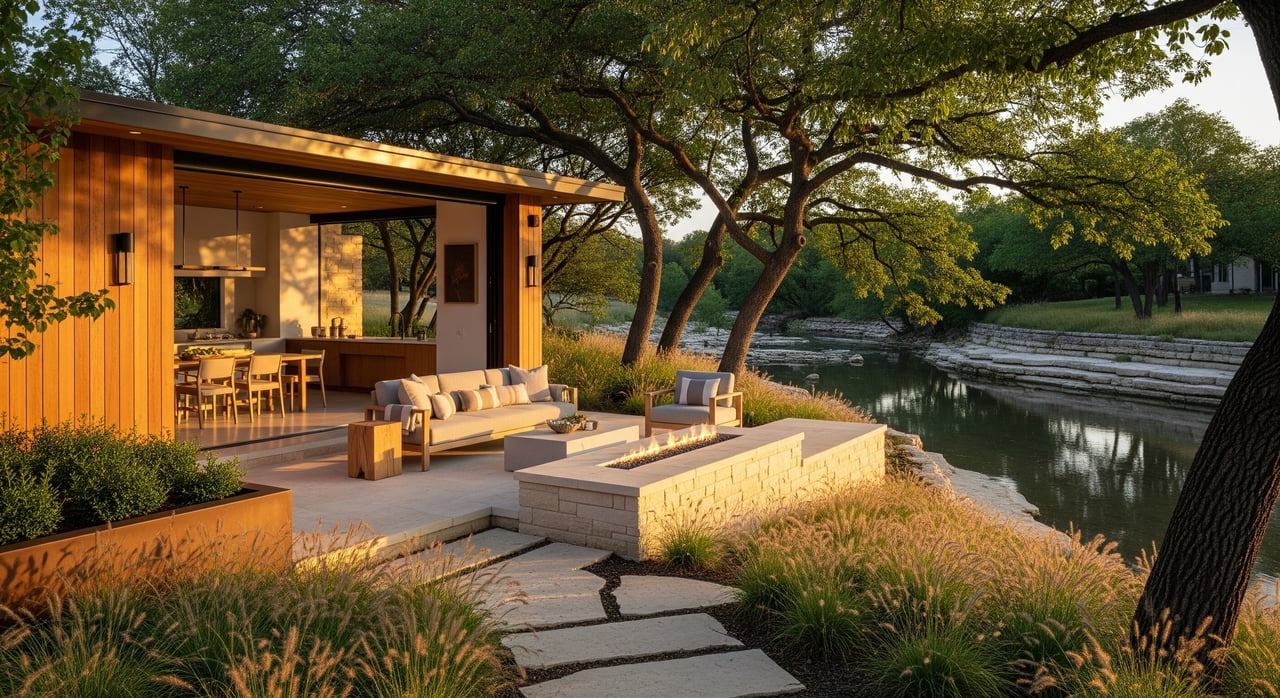
If your backyard runs along a Richardson creek, you have a rare blend of privacy, shade, and views. The right design can turn that greenbelt into everyday living space while protecting your bank and your investment. You also need to plan for local rules, expansive clay soils, and seasonal high water. In this guide, you’ll learn how to map out zones, choose materials and plants, handle drainage, and navigate permits. Let’s dive in.
Know your site in Richardson
Richardson’s hot summers and mild winters call for smart shade, durable materials, and efficient irrigation. Hardiness generally tracks around Zone 8b, so plan plant choices and seasonal maintenance accordingly.
The city sits on Blackland Prairie soils with high-clay content that shrink and swell with moisture. These expansive clays affect patios, footings, and retaining walls. Keep grades gentle, manage irrigation to avoid big moisture swings near structures, and consider professional input for major walls or regrading. Learn more about local soils in the Blackland Prairie overview from the Botanical Research Institute of Texas. (Blackland Prairie soil context)
Many neighborhoods back up to channels within a citywide system that includes roughly 44 miles of creeks. Owners are generally responsible for the reach behind their lot and must preserve drainage. Get familiar with how the City funds and manages drainage so you know where your responsibilities begin. (City drainage program)
Always verify flood status before you design. Pull your FIRM panel and check if any part of your yard or structures touch a Special Flood Hazard Area. This affects permits and insurance. Start with the FEMA Map Service Center and follow up with the City’s floodplain staff for site-specific guidance. (FEMA Map Service Center)
Protect the riparian buffer
A healthy vegetated buffer is your best defense against erosion and poor water quality. Agencies recommend keeping a mix of trees, shrubs, and deep-rooted grasses between outdoor living areas and the bank. Where space allows, wider buffers provide better filtration and stability. See general buffer guidance from the U.S. Forest Service. (Riparian buffer basics)
A simple three-zone layout
- Upland living zone: Place gathering spaces, kitchens, and play areas here, upslope from the top of bank. Use permeable materials like gravel or permeable pavers to reduce runoff.
- Transition zone: Add lawn alternatives, native perennials, and a swale or rain garden to slow and filter stormwater before it reaches the creek. Keep furniture light and movable.
- Riparian buffer zone: Keep it vegetated. Favor native trees, shrubs, and deep-rooted grasses/sedges for bank stability. Live staking with native woody species is a common technique for establishing roots in the bank. (Urban riparian guidance, Live staking how‑to)
Hardscape and drainage that work with the creek
Direct roof leaders into vegetated areas, swales, or a rain garden rather than straight to the bank. Use permeable paths and patios near the creek and maintain a planted strip at the edge to catch sediment. If fencing is needed near a channel, choose an open design and avoid anything that traps debris or blocks flows. The City’s stormwater guide covers homeowner best practices and responsibilities. (Stormwater resident’s guide)
Shade and comfort in Texas heat
Target reliable shade over seating and dining. Combine canopy trees with a pergola or shade sail for layered cooling. Place seating to capture breezes, and use light‑colored, low‑mass materials that do not hold heat into the evening.
Planting for stability and low care
Favor natives and regionally adapted plants for durability and less irrigation. A mix of switchgrass and bluestems, sedges and rushes near wetter spots, plus shrubs like buttonbush or roughleaf dogwood can form a tough root web. Deciduous trees provide summer shade and winter sun. For ideas and regional palettes, consult local native plant resources. For streambank technique and species suitability, review the Urban Riparian program and live staking guidance. (Urban riparian guidance, Live staking how‑to)
Safety, access, and biodiversity
Design steps and landings with non‑slip surfaces and set seating well above typical high water. Remove trash and invasives, but avoid over‑clearing the bank. Leaving safe downed wood and native vegetation in place supports habitat and slows flows.
Permits, rules, and trees to know
Do not alter a floodplain, stream bank, or creek channel without City review. Contact Richardson Development Services before grading, adding fill, or building near the bank, and secure any floodplain or drainage approvals that apply. (Development Services regulations)
Property owners are typically responsible for the creek segment on or next to their lot, including keeping it clear and preserving drainage function. The City’s stormwater guide explains homeowner responsibilities and who to contact about blockages. (Stormwater resident’s guide)
Be mindful of trees. In 2024, Richardson adopted a tree mitigation and preservation ordinance with replacement or mitigation requirements and penalties for violations. Check rules before removing protected or specimen trees. (Tree ordinance overview)
If your neighborhood has an HOA, review covenants for exterior structures, fences, and landscape rules before you design. Also verify your flood map status early. You can pull the current FIRM panel online, then coordinate with the City’s floodplain staff for the final word on what applies to your lot. (FEMA Map Service Center)
Maintenance that pays off
Plan 1 to 2 years of establishment care for new plantings. After major storms, walk the bank to clear safe debris, check for undercutting, and touch up mulch and erosion control. Re‑inspect steps and access points, and keep permeable surfaces swept so they drain. If you spot significant erosion, consult a contractor experienced in natural channel design.
Who can help locally
- For plant selection and soil questions, reach out to Texas A&M AgriLife’s Dallas County Master Gardeners for research‑based guidance and clinics. (Dallas County Master Gardeners)
- For streambank work, choose contractors with riparian restoration experience and ask for permits and design drawings. State programs offer training and best practices you can use to vet proposals. (Urban riparian guidance)
Planning to sell or buy a creekside home?
A well‑designed, low‑maintenance outdoor space that respects the creek shows care and reduces buyer uncertainty. Keep documentation for any permits, floodplain determinations, and tree actions, and highlight permeable surfaces, native plantings, and shade features in your listing. If you are buying, confirm flood status and review HOA and City rules early so your future backyard plans stay on track.
Ready to position your Richardson creekside property with confidence? Connect with the JP Findley Group for data‑driven guidance and a polished strategy tailored to your goals.
FAQs
Can I build right at the creek’s edge in Richardson?
- Not without approvals. The City advises against altering a floodplain, stream bank, or channel without consulting staff and securing required permits. Start with Development Services and the stormwater team for a site review. (Stormwater resident’s guide, Development Services regulations)
Do I need flood insurance for a creekside home in Richardson?
- If a building sits in a FEMA Special Flood Hazard Area and you have a federally backed mortgage, flood insurance is typically required. Even outside mapped zones, consider coverage after checking your exact address on the FEMA Map Service Center. (FEMA Map Service Center)
What plants help stop erosion on North Texas creek banks?
- Use a mix of native deep‑rooted grasses and sedges, plus shrubs and trees suited to riparian conditions. Live staking with suitable native woody species is a common, cost‑effective technique. (Urban riparian guidance, Live staking how‑to)
Who maintains the creek behind my Richardson home?
- The City manages the overall drainage system, but owners are generally responsible for the channel on or next to their property, including keeping it clear and preserving drainage function. Coordinate with the City before making changes. (Stormwater resident’s guide)
Are there special tree rules for Richardson properties near creeks?
- Yes. The City adopted a tree mitigation and preservation ordinance in 2024 with replacement or mitigation requirements and penalties for violations. Confirm current rules with Development Services before removing protected trees. (Tree ordinance overview)
What permits should I check before designing a creekside outdoor area?
- Contact Development Services for drainage and floodplain requirements, review the City’s stormwater guidance, and verify your FEMA map status. Rules vary by site, so get approvals before you build. (Development Services regulations, Stormwater resident’s guide, FEMA Map Service Center)